
How Can We Help?
Recognizing Seasonal Allergies in Your Pet
Like people, dogs and cats can suffer from seasonal allergies, often triggered by environmental factors such as pollen, mold, and dust mites. These allergens tend to peak during certain times of the year, leading to noticeable changes in your pet’s comfort and behavior.
One of the most common signs is itchy, irritated skin. You may notice your dog or cat scratching, licking, or chewing excessively—especially around the paws, ears, belly, or face. Other symptoms can include red or inflamed skin, hair loss, recurring ear infections, and watery eyes. According to the American Veterinary Medical Association (AVMA), pets with allergies may also experience sneezing, coughing, digestive upset, or behavioral changes such as irritability or lethargy.
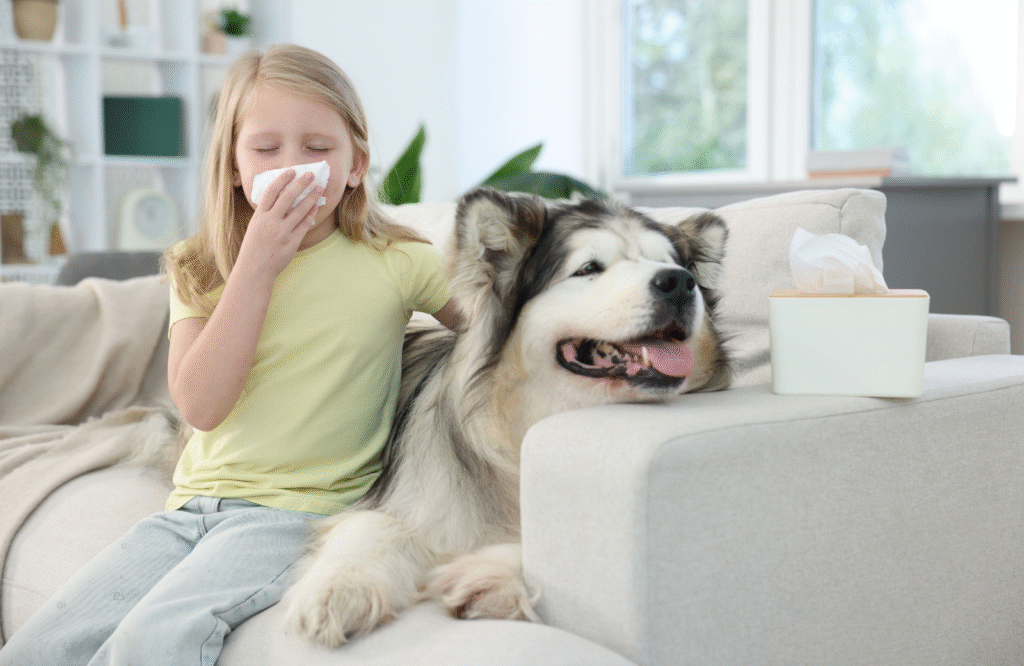
Seasonal allergies often appear at the same time each year and may worsen with increased exposure to outdoor allergens. Dogs tend to show symptoms through skin irritation, while cats may exhibit more respiratory signs such as coughing or wheezing.
“Pet owners should seek veterinary care quickly if they notice persistent scratching that leads to skin irritation or ulceration, ear infections, significant hair loss, or any signs of breathing difficulty,” said Dr. Sarah Hettinger, Petland veterinarian. “These symptoms can indicate a more serious allergic response or secondary infection that needs medical treatment.”
Dr. Hettinger adds that some pets may experience symptoms year-round, and distinguishing between food and environmental allergies can require veterinary guidance and diagnostic testing.
At home, pet owners can help reduce exposure to allergens by wiping paws after outdoor time, maintaining regular grooming, cleaning living spaces frequently, using air purifiers, and limiting outdoor activity during high pollen days.
While seasonal allergies cannot be cured, early recognition and proactive care can help pets stay comfortable and healthy year-round.